

Trending

How to protect your parents from more than a broken heart…without being the bad guy
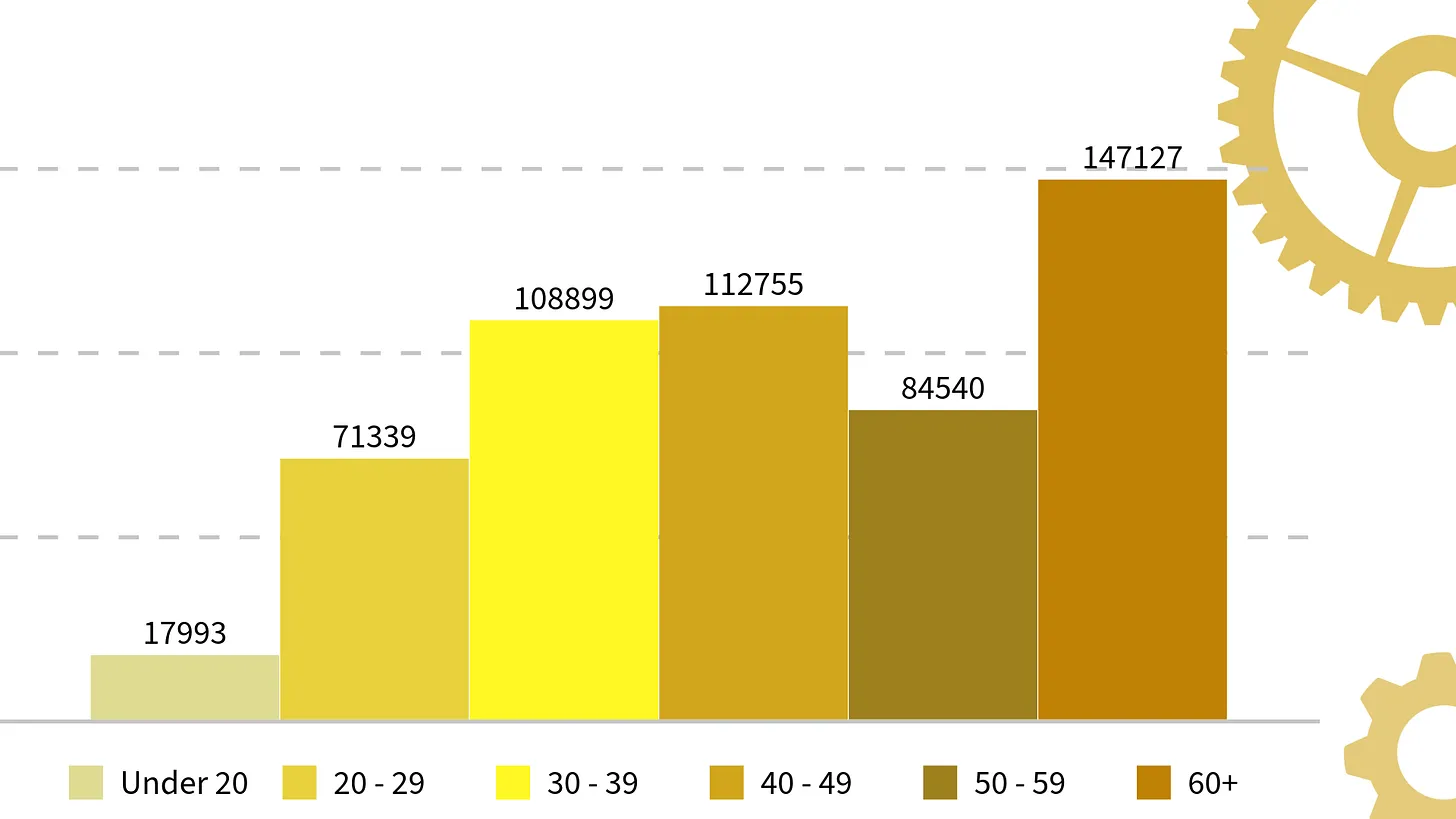
Romance scams targeting seniors jumped to $390 million in losses last year, and the real tragedy isn't just the money—it's the shame that keeps our parents from asking for help.
Why seniors are vulnerable
The people getting scammed aren't always naive. They're often lonely, they're seeking connection, and they're human. After years of caregiving responsibilities, health challenges, or losing a spouse, seniors often find themselves isolated and looking for a little excitement in their lives.
Take the case of a client I’ll call Tina, a woman in her mid-70s who’d spent years caring for her husband with dementia. After his death, her family agreed she should be able to spend freely after her long period of caregiving. But when she began making frequent withdrawal requests for supposed travel and home improvements, her son discovered she was actually sending money overseas to romance scammers who had targeted her as a lonely widow.
The shame just makes it worse
Here's what many families don't realize: seniors caught in these scams sometimes know what's happening but often feel too ashamed to admit it.
They're often terrified their adult children will assume they can't function independently and take away their financial autonomy. This shame can create secrecy, making it incredibly difficult for families to intervene effectively.
How families can help
Start gentle conversations without direct confrontation. Instead of accusing or challenging your parent directly, try referencing third parties such as close family members, friends, or trusted professionals: "What do you think [sibling's name] would say about this decision?" or "Have you gotten a second opinion on this?" These indirect approaches give seniors space to reconsider without feeling attacked and may help you leverage the influence of others.
Look for patterns, not single transactions. Multiple unexplained withdrawals, especially when coupled with vague explanations about travel or home improvements, can be red flags worth exploring gently.
Normalize the conversation about scams. Rather than treating fraud as a shameful failure, discuss it as an unfortunate reality of modern life. Share stories (anonymously) about others who've been targeted. This helps remove stigma and makes your parent more likely to confide in you if something happens.
Beyond prevention
We need to accept that scams are increasingly sophisticated and prevention alone isn't enough. The rise of AI and other technologies makes these schemes harder to detect. Instead of focusing solely on prevention, families should also prepare for "what happens after"—having plans for financial recovery and emotional support.
The goal isn't to take away your parent's independence, but to create an environment where they feel safe seeking help. By approaching the topic with empathy rather than judgment, we can better protect our elderly loved ones while preserving their dignity and autonomy.
Thanks for reading Age Against the Machine! Subscribe to receive new posts.
Related: Trust Broken at the Worst Time: How Financial Advice Fails When Health and Family Collide