

Trending

Written by: Nathaniel Eliason What do you do when you finish a nonfiction book?Do you:
1. Find the Books
If you’re reading nonfiction to learn something or do something (new skill, fitness, meditation , etc.), then your book selection is very, very important.The best thing you can do is to listen to the pros, not the masses. Amazon is an easy platform to game. If someone wants to buy fake reviews for their book ( I swear I’ve never done that), then all they have to do is look around Fiverr .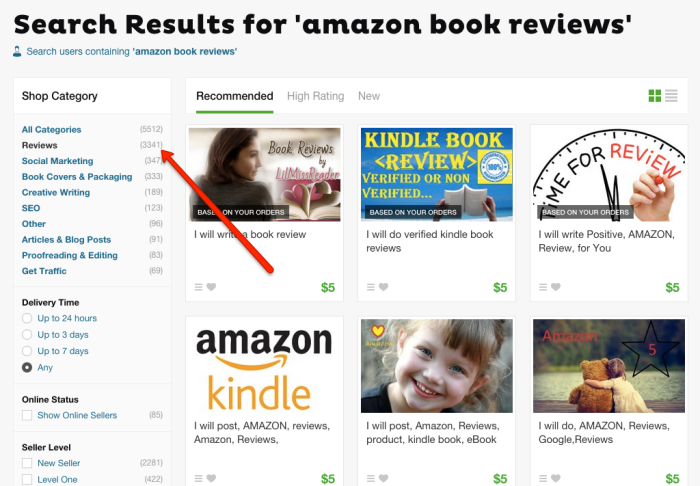 3,300 people waiting to tell you how much they loved your bookDon’t decide based on which books have been “rated” the highest but focus on what the best people in whatever you’re trying to get good at are recommending.If you’re not sure what they’re recommending… email them and ask! I’ve almost never been turned away when asking for book recommendations. People love giving advice.There’s one way to make your selection even better, though: look for common denominators. If you want to get better at marketing, then find a few people who are pros at it, get their recommendations, and then see what books they’re all recommending. One person may have liked a useless book for whatever reason, but if they all have a couple books in common that they swear by? That’s a good sign.With your initial list of books, it’s time to…
2. Read and Take Notes
With non-fiction, you can read FAST. Take some time to learn how to speed read and practice using those techniques non-fiction books.Sidenote: Don’t do this for Fiction since the point there is to enjoy it, but for nonfiction it’s excellent for quick information absorption.As you read, highlight the parts of the book that seem relevant or worth remembering. The easiest way to do this is to use a Kindle or the Mac Kindle Reader since they have quick highlighting features built into them.But, if you prefer old school paper books (and yes, I recognize that “old school” here means ~6 years ago), then sticky notes or sticky tabs work fine too.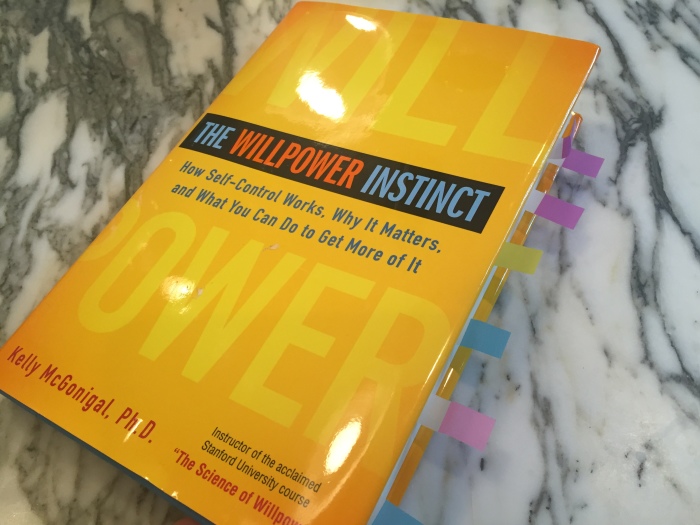 Still trying to figure out how to charge this thingThe more you read like this, the better you’ll get at separating the useful content from the chaff. Most (good) books follow the same logical progression used by philosophy and argumentation. You’ll start to identify premises, intermediate conclusions, and final conclusions as you read each new book, and will quickly realize what parts you can skip.Now, once that book is done, don’t immediately take your notes out. Wait on that. Instead, go read a couple more books related to it (assuming you’re going deep in this field, otherwise just read any book) and start a list of books you need to “take notes from.”I keep an Evernote note of all the books I finished and haven’t taken notes on so I can go back later and extract them.
 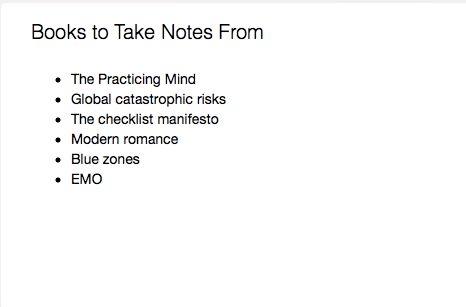 If you can guess what book “EMO” is, I’ll send you a free copy. Put your guess in the comments. No cheating if you’ve read it.Why wait before taking out notes? Two reasons: First, the information needs time to settle a bit in your head.You’ll put more of the info into long-term memory if you extend the time between your first and second exposure. Waiting a few days or weeks before re-reading the relevant points will help you remember it better later. Second, you’ll be spending the time in the interim reading other books.If the books are on similar topics, then you’ll find that some ideas are shared between them and others only crop up once or twice.If an idea only comes up in one place, you can be a little skeptical of it. But if some piece of advice is in every marketing book (for example) then it’s probably worth taking note of.Taking notes like this is also an effective way to select books to not finish or read less carefully. If you’re reading and not taking any notes, that could be a good sign that it’s not that useful of a nonfiction book. There are exceptions ( 10% happier , for example, doesn’t have a ton of takeaways but is wonderful), but in general an “educational” book that isn’t worth highlighting is a waste of your time.Alright, you’ve let it sit and read some more, now it’s time to…