
Trending

Written by: Thomas Van Spankeren, CFA, CFP® | RISE Investments
-
Americans have a substantial portion of their cash in non-interest-bearing accounts.
-
Current interest rates offer savers the opportunity to keep up with inflation
-
There are several strategies for savers to earn interest on their cash
You may be losing out on interest if your cash is held in a non-interest-bearing account. According to the Wall Street Journal, about $5.6 trillion or 10% of Americans’ liquid net worth are in low or no yielding bank deposits.1
Keeping excess cash in a checking or traditional savings account may be costing you without you even knowing it.
1 Spencer Jakab, “We’re Keeping Too Much Cash in Our Accounts These Days,” Wall Street Journal, May 28th, 2026.
Why Earn Interest on Cash?
Investing cash in high-quality short-term investments helps to keep up with inflation. With today’s inflation of 4.1%1, having cash earn interest helps to reduce the erosion of purchasing power due to inflation.
1 Annual Personal Consumption Expenditures price index increase for May 2026.
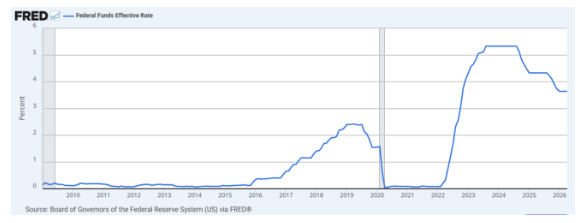
Short term interest rates are set by the Federal Reserve and are currently targeted between 3.5-3.75%. This interest rate is roughly equal to the rate of inflation. The recent increase in inflation from the rise of oil prices has increased the likelihood of interest rate hikes in the back half of 2026.
What are My Options for Investing Cash?
There are several options for investing cash:
Money Market Fund:
-
Fund that invests in high-quality, short-term fixed income securities which makes it safe, liquid and very accessible.
-
Managed by a professional team and often comes with a small expense ratio.
U.S. Treasury Bills:
-
Short-term debt security by the United States government with maturity of up to 1 year.
-
Backed by the full faith and credit of the United States government and are very liquid.
-
Exempt from state & local taxes.
High Yield Savings Account:
-
Saving accounts that are offered by banks to increase deposits.
-
An investor can compare the terms of a high yield savings account with different banks.
Certificates of Deposit:
-
Specialized savings account that is offered by banks and credit unions that lock in a fixed amount of money for a certain period.
-
While there are liquidity constraints, they tend to offer higher yields than a standard savings account.
Conclusion
Having excess cash work for you can help your savings to maintain purchasing power. Fortunately, there are several strategies that can be utilized to make your cash work for you.